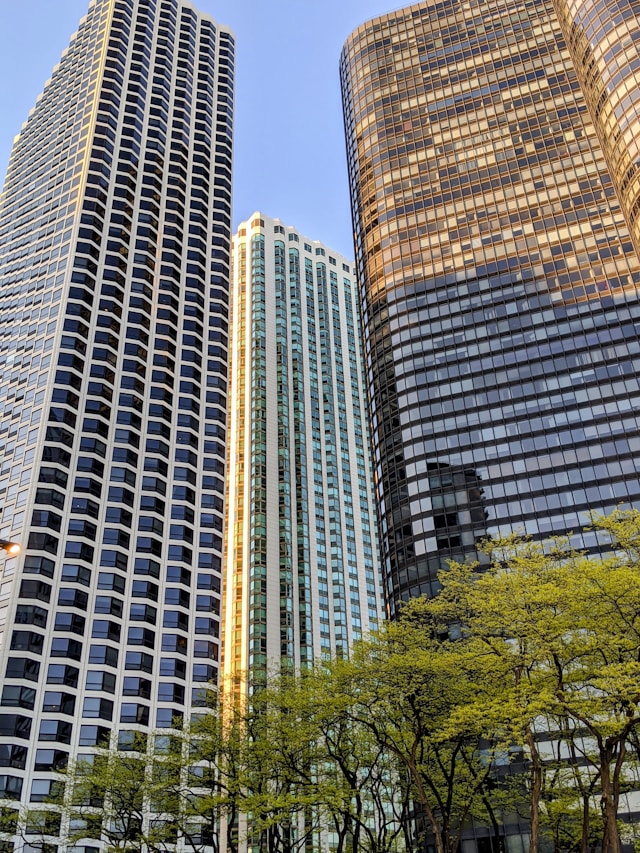
The Toronto real estate market is a dynamic environment that changes not only from year to year but also seasonally. From a buyer’s market in the winter to a peak selling season in the spring, understanding these shifts can make all the difference for buyers, sellers, investors, and landlords. In this post, we’ll break down these seasonal trends and provide actionable insights to help you navigate the market.
Quick Snapshot: Real Estate Yearly Overview in Toronto
As of the latest update in January 2026, the Greater Toronto Area (GTA) saw significant shifts in home prices and transaction volumes:
- Median Home Price (January 2026): $936,100, marking an 8% decrease year-over-year.
- Average Home Price: $973,289, reflecting a 6.5% decrease from January 2025.
- Condo vs Detached Homes: Detached homes are still the dominant property type, but condo prices have seen a notable drop, with condo prices averaging $604,759 in January 2026 (down 9.8% YoY).
- Sales Activity: Sales dropped by 20% YoY, indicating a slowing market despite the seasonal factors at play.
For a more granular breakdown of property types and sub-regions, check out the latest GTA housing market statistics, which show varying trends between city areas and the outer suburbs.
Why Toronto’s Real Estate Moves Seasonally
Several factors contribute to the seasonality of the Toronto housing market:
- Weather & Seasonal Cycles: Toronto’s harsh winters slow down buyer activity, while warmer months spark a surge in market activity.
- School Calendar: Families typically move in the spring or summer to settle before the school year begins. This impacts the availability of properties and the demand for family-friendly homes.
- Mortgage Stress Test: The timing of mortgage rule adjustments and rate changes often aligns with the market’s seasonal flow, influencing buyer confidence.
- Holiday & Tax Seasons: The winter months see fewer transactions as holidays and tax seasons approach, while spring and summer bring renewed interest due to tax refund boosts and vacations.
- Interest Rate Cycles: Bank of Canada rate hikes or cuts usually influence the real estate market, particularly in the fall and spring when buyers start adjusting their budget accordingly.
Seasonal Breakdown
Spring (March – May)
- Peak Selling Season: Spring marks the busiest period for real estate transactions. Home listings surge, and so does demand.
- Buyer Demand: Families moving before the school year, along with those taking advantage of spring breaks, drive demand up.
- Inventory Levels: Spring sees an increase in available listings, giving buyers more options.
- Pricing Pressures: Multiple offers are common during this period, often pushing prices higher.
Tips for Buyers & Sellers: Spring offers optimal conditions for sellers to list, but buyers must be prepared for competitive bidding situations. Sellers should ensure their properties are staged well to stand out.
Check out ways to spot a great real estate investment location in the GTA.
Summer (June – August)
- Strong Market Activity: Although listings drop slightly, the summer market is still active, driven by those completing moves before the school year starts.
- Investor Attention: Summer tends to attract investors who are focusing on properties that generate rental income or short-term returns.
- Rental Market Trends: Many renters move in the summer, increasing demand for rental properties.
Fall (September – November)
- Quieter Market: Compared to summer, fall tends to slow down, but serious buyers remain active.
- Stable Prices: Pricing typically stabilizes as buyers are more cautious and sellers adjust their expectations.
- Investment Activity: Investors begin to make more strategic moves, especially in well-priced areas where housing supply is limited.
Winter (December – February)
- Lowest Inventory: Winter sees the least competition and lowest inventory, making it ideal for serious buyers who can secure deals with less competition.
- Price Discounts: Expect discounts during this time as sellers are motivated to close deals before the year ends.
- Holiday Slowdown: The market pauses briefly during the holidays, but it picks up again in the new year.
Navigate the winter rental market.
Toronto Condo Market: A Different Seasonal Rhythm
The condo market in Toronto follows different seasonal trends compared to detached homes:
- Downtown Core Fluctuations: Condos in downtown Toronto tend to follow demand shifts related to student rentals in the fall and investor attention during spring and summer.
- Immigration & Foreign Investment: High immigration and investor activity drive demand for condos, particularly in Toronto’s urban areas.
Trend Signals for Buyers & Sellers
If You’re a Buyer…
- Best Time to Buy: Winter and early spring may offer the best opportunities for negotiation, with fewer competitors and more motivated sellers.
- When to Expect Multiple Offers: Spring is typically when buyers should prepare for multiple offers, particularly in desirable neighbourhoods.
If You’re a Seller…
- Peak Demand: Spring and early summer are prime times for sellers to list properties, as demand is highest.
- Pricing Strategies: Accurate pricing in the early spring is crucial for maximizing return.
For Investors & Landlords
- Seasonal Rent Demand: Expect rental demand spikes in the summer and fall, with a noticeable drop during the winter.
- Tenant Retention: Winter may present challenges in tenant turnover; planning for lease renewals in late summer or early fall can ensure better retention rates.
Check out how to improve your tenant retention rate.
Toronto Rental Market: Seasonal Nuances
The rental market in Toronto also follows seasonal trends:
- Student Rentals: Fall sees an influx of students looking for rental units, especially near downtown universities.
- Summer Turnovers: Many rental contracts end in the summer, leading to increased demand.
- Winter Slowdowns: The rental market typically slows down in winter, which can provide opportunities for tenants to negotiate lower rents.
Market Signals to Watch in the Upcoming Year
The following factors will shape the market:
- Interest Rate Movements: Potential rate cuts or hikes could impact buyers’ purchasing power.
- Immigration Levels: Increasing immigration may continue to drive demand for housing and rental properties.
- Government Policies: New housing regulations and policies, including potential tax changes, could impact affordability.
Key Factors to Consider When Purchasing an Investment Property
- Location
- Neighbourhood: Choose areas with strong demand, good amenities, and low crime rates.
- Future Development: Research planned infrastructure projects that can boost property values.
- Rental Demand
- Tenant Pool: Ensure there’s a steady stream of renters, especially for residential properties.
- Vacancy Rates: Look for areas with low vacancy rates, indicating strong demand.
- Property Type
- Decide between residential or commercial properties, and consider single-family vs. multi-family units depending on your investment goals.
- Decide between residential or commercial properties, and consider single-family vs. multi-family units depending on your investment goals.
- Cash Flow Potential
- Ensure rental income covers your expenses and provides positive cash flow.
- Evaluate the potential for rent increases in the area.
- Market Conditions
- Research economic factors, interest rates, and market trends to understand price movements and demand.
- Research economic factors, interest rates, and market trends to understand price movements and demand.
- Financing & Loan Terms
- Interest rates and the down payment can affect your profitability. Ensure you have sufficient capital for a down payment and closing costs.
- Interest rates and the down payment can affect your profitability. Ensure you have sufficient capital for a down payment and closing costs.
- Property Condition
- Assess the property’s condition to avoid costly repairs. Consider homes that need minimal cosmetic updates for value improvement.
- Assess the property’s condition to avoid costly repairs. Consider homes that need minimal cosmetic updates for value improvement.
- Tax Implications
- Understand property taxes and deductions like mortgage interest, maintenance, and depreciation.
- Understand property taxes and deductions like mortgage interest, maintenance, and depreciation.
- Exit Strategy
- Ensure you have a clear exit strategy for selling or renting the property, including evaluating its resale value and liquidity.
- Ensure you have a clear exit strategy for selling or renting the property, including evaluating its resale value and liquidity.
- Legal Considerations
- Familiarize yourself with local landlord-tenant laws and zoning regulations that could affect your property.
Expert Predictions & Forecasts
Industry experts predict that Toronto’s real estate market will continue to show signs of stabilization as interest rates decrease. However, affordability challenges will persist for many buyers. The condo market is expected to rebound, driven by demand from first-time homebuyers and investors. Experts suggest that while home prices may continue to adjust, opportunities for strategic buyers and investors will remain throughout the year.
The Toronto real estate market continues to evolve, with distinct seasonal trends shaping buyer and seller behaviour. For buyers and investors, understanding these trends can help you strategize better for optimal entry points. Sellers can benefit from understanding peak demand times to ensure they list at the right moment.
Speak with a property professional today to gain valuable insights on market timing and positioning in the Toronto real estate market.
Frequently Asked Questions
When is the best time to buy in Toronto real estate?
Spring offers the best opportunities for buyers, but winter presents less competition and potentially better prices.
Does Toronto real estate slow down in winter?
Yes, but serious buyers can take advantage of the lower inventory and price discounts during this period.
Is spring always the hottest market?
Yes, typically spring is the peak selling season, driven by higher buyer demand and more listings.
How does seasonality affect condo prices?
Condos in Toronto are more influenced by investor activity and student rentals, with the highest demand during summer and fall.
Does rental demand fluctuate by season in Toronto?
Yes, demand for rentals peaks in summer and fall, with a slowdown during the winter months.