Leaving a rental home involves legal steps and practical tasks to ensure a smooth transition. In Ontario (including Markham), tenants must provide written notice 60 days before the move (using the standard Form N9). Before moving, pack and clean the unit, finalize utility and postal arrangements, and document the home’s condition. Coordinate a final walkthrough with the landlord or property manager, noting any damages or cleaning issues. Return all keys and provide forwarding information. Ontario law allows landlords only to collect a last-month’s rent deposit (no separate “damage” deposit). Leave the unit in a broom-swept state (swept and tidy; a deep clean is not required) and take photos to avoid disputes. After move-out, the landlord must either return the deposit (minus any agreed deductions) or file a claim; tenants can contest improper charges at the Landlord and Tenant Board. This guide provides a step-by-step checklist, legal background, and practical tips tailored for Markham-area tenants.
1. Give Proper Written Notice
Ontario’s Residential Tenancies Act requires a tenant to give at least 60 days’ written notice of intent to move out. The notice must specify the termination date, which in month-to-month tenancies must be the last day of a rental month. If on a fixed-term lease (e.g. one year), you cannot end the lease before it expires unless the landlord agrees. For example, if your lease ends April 30, you must deliver the notice by March 1.
- Use the official Form N9 (Tenant’s Notice to End the Tenancy) to ensure the notice is valid. Submit it in writing (email, mail, or in person) and keep proof of delivery.
- Coordinate with roommates: In joint tenancies, all tenants must sign the N9 form to terminate the lease. If only one tenant wants to leave, discuss options with your housemates and landlord.
After giving notice, confirm receipt with the landlord or property manager. This creates a clear record of your move-out date. Failing to provide the required notice may obligate you to pay additional rent or fees.
2. Prepare the Unit for Move-Out
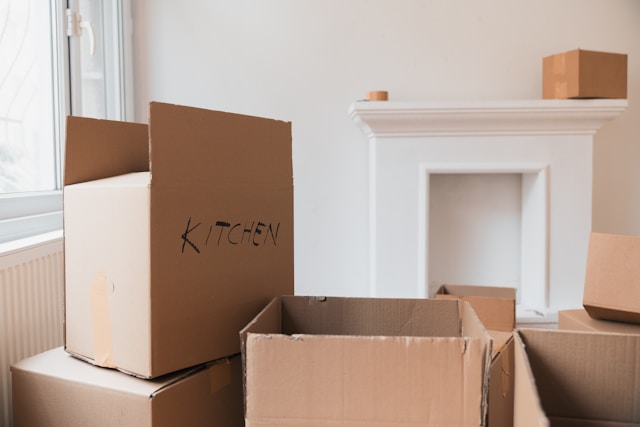
Start planning your move early. A checklist helps avoid last-minute problems:
- Inform Your Landlord or Manager: Let them know key dates (your move-out date, final inspection time). The landlord will likely schedule a final walkthrough/inspection around move-out day.
- Clean Thoroughly: Ontario tenants are expected to leave the unit in a “broom-swept” state. This means the home should be clean, swept, and free of your belongings, but not necessarily professionally deep-cleaned. Wipe countertops, sweep floors, clean sinks and fixtures, and remove all trash. Take photos or videos of the cleaned unit (especially rooms, appliances, and any minor damage) to document its condition.
- Repaints/Repairs (If Agreed): Check your lease for any required move-out repairs. Ontario law lets landlords charge for damage beyond normal wear and tear, but you are not required to repaint or deep clean for regular wear. Leave walls and paint as is (normal fading is expected). If you do patch or paint, keep receipts for supplies and colors.
- Utilities and Services: Arrange to disconnect or transfer utilities (electricity, gas, internet, cable, etc.) on the day after you leave. In Markham, this means notifying providers like Alectra (electric), Enbridge (gas), Rogers/Bell (cable/internet), and any subscription services. Schedule final meter readings if possible.
- Update Address: Submit a mail forwarding request through Canada Post, and notify banks, employers, and government agencies of your new address. If you have a Markham or Toronto area transit pass, cancel or transfer it. Return any rent collector key fobs or parking passes per your lease.
- Keys and Access: Gather all keys, remotes, and access cards for the unit and common areas. Confirm with the landlord how and when to return them (often during the final walkthrough or on move-out day).
Tip: If you live in a condo or apartment in Markham, book the service elevator on move-out day and check any building move-out protocols (e.g., not disturbing neighbors late at night).
3. Final Walkthrough and Inspection
Within a day or two of the move-out date, conduct a final inspection with the landlord or property manager. This is when you’ll identify any issues and agree on damage or cleaning charges.
- Review the Lease: The final condition should comply with the lease terms. For example, if the lease prohibits smoke or damage, the final check will confirm compliance.
- Inspect Thoroughly: Systematically check every area – floors, walls, ceilings, appliances, plumbing, fixtures, doors, windows, and any outdoor space (if applicable). Note any stains, holes, or broken items.
- Compare to Move-In Condition: If a move-in inspection report exists, compare notes. Ontario law recognizes normal wear and tear as acceptable. For example, faded carpet or small nail holes from hanging pictures are not tenant damage.
- Discuss Findings: Walk through concerns with the landlord. If any cleaning or repairs are needed (beyond what you already did), clarify who will handle them. Landlords often deduct costs from the deposit if agreed upon after the move-out.
- Document Everything: Take photos together of any damage or areas that need attention. This shared documentation helps prevent disputes later. Keep copies of all correspondence (texts, emails) about the walkthrough.
After the inspection, ensure you understand: – Any agreed deductions from your deposit (e.g. for carpet cleaning or repainting). When the landlord plans to return the deposit or give an itemized list of charges (in Ontario, within 30 days of move-out).
4. Deposits and Security
Under Ontario’s RTA, landlords may only collect a last month’s rent deposit (sometimes called rent deposit) and a key deposit; no separate “damage deposit” or pet deposit is permitted]. If you paid a pet or damage deposit on move-in, it must be returned in full (or applied to your final rent) by law.
Key points about deposits:
- Amount Collected: At lease start, the landlord could only collect up to one month’s rent (if paid monthly) as a deposit. This deposit is held for your last month’s rent.
- Usage of Deposit: It can only cover rent. The landlord cannot use it to pay for damages or cleaning – those must be billed separately, and you can contest any unfair charges with the Landlord and Tenant Board.
- Return Deadline: By law, within 30 days after the tenancy ends, the landlord must either return the deposit or file for a disposition with the Landlord and Tenant Board (Form T2) if they claim deductions.
- Condition and Deductions: If no issues are found (beyond normal wear), you should get your deposit back in full. Any deductions (e.g., agreed repairs or unpaid utilities) should be reasonable and documented.
If there’s a dispute (for example, you believe a cleaning or repair charge is unfair), you can file a claim with the Landlord and Tenant Board. Keep your own records: the Form N9 notice copy, photos of the unit’s condition, receipts for cleaning supplies, and any communications.
Remember: As one tenant advises, “the standard for move-out in Ontario is a room-swept state of cleanliness. A ‘deep clean’ is not required”. Landlords typically handle fresh paint or major cleaning between tenants, not the outgoing tenant (unless clearly beyond normal wear).
5. Legal & Practical Checklists
Here’s a concise checklist and resources for your move-out:
| Step | Action | Details |
| 1. Notice | Provide 60 days’ written notice with Form N9. | Make sure the termination date is the last day of a rental month. |
| 2. Clean | Thoroughly clean the unit (broom-swept condition). | Sweep/mop floors, wipe surfaces, clean bathroom/kitchen, remove all debris. |
| 3. Repair | Fix any damages you caused (beyond normal wear). | E.g., patch holes, replace burnt-out bulbs. Keep receipts if possible. |
| 4. Utility Bills | Notify utility companies of your move date. | Arrange final meter reads for hydro, gas, internet. |
| 5. Mail Forward | Set up mail forwarding with Canada Post. | Protects against lost mail. |
| 6. Final Inspection | Schedule and attend final walkthrough with landlord/manager. | Document any issues (photos, notes) and agree on cleaning/repairs. |
| 7. Keys & Access | Return all keys, fobs, parking passes, etc. | Do this during inspection or drop-off as arranged. |
| 8. Deposit | Expect deposit back within 30 days, or a breakdown of deductions. | Landlords can only keep last month’s rent; any other fees must be justified. |
| 9. Dispute (if needed) | If needed, file a T2 application with the LTB to challenge unfair charges. | Free resources at Steps to Justice or Tenant Duty Counsel can help. |
6. Markham-Specific Considerations
While Ontario tenancy laws apply province-wide, here are a few local notes for Markham renters:
- Markham Utilities: Markham contracts hydro through Alectra (the local electric utility). If you have a meter in your name, call Alectra before moving. Many landlords in condos include utilities, but clarify any transfer responsibilities in writing.
- Waste Disposal: On move-out day, dispose of large items according to York Region guidelines. Markham curbside collection may not take furniture – use a licensed bulk-item pickup or private disposal.
- Parking/RV Passes: If you have a residential parking pass (e.g. for on-street or condo visitor parking), return or cancel it with the city’s by-law office.
- Building Restrictions: If in a multi-unit building (apartment/condo), remember Markham and York Region noise bylaws (e.g. no moves after 9pm). Reserve elevators and loading docks if required. Provide proof of elevator booking if asked by management.
FAQ and Common Pitfalls
- “Do I need to paint or make repairs before leaving?” No repainting or major fixes are required for normal wear and tear. Just repair any damage beyond that (e.g. holes you made). Otherwise, cleaners and painters are usually the landlord’s responsibility
- “What happens if I miss the 60-day deadline?” If you give insufficient notice, you may owe additional rent. Always double-check the exact deadline and consider sending the notice a few days early.
- “Can I break my lease early?” Only if the landlord agrees, or you qualify for specific RTA exceptions (e.g. domestic violence, etc.). Otherwise, you may be responsible for rent until the 60-day notice period ends.
- “Is pet damage covered by deposit?” No extra pet deposits are legal in Ontario. If your pet caused damage, the landlord must file a claim with LTB. Otherwise, your last-month rent deposit covers any rent owing.
- “How do I ensure I get my deposit back?” Clean thoroughly, document everything, and return keys on time. Communicate via email/text so there’s a record. If the landlord claims unjustified charges, you can counter at the LTB.
Moving out can be daunting, but following these steps will help protect your rights and ensure you get your deposit back. For personalized help or if you’re a landlord preparing for a tenant’s move-out, professional property management services can handle inspections, repairs, and legal compliance.Need more help? For guidance on preparing your next rental, see ManageYourProperty’s “Guide On How To Prepare Your Rental”. And if you ever need advice on landlord/tenant issues, the Landlord and Tenant Board is a valuable resource in Ontario.