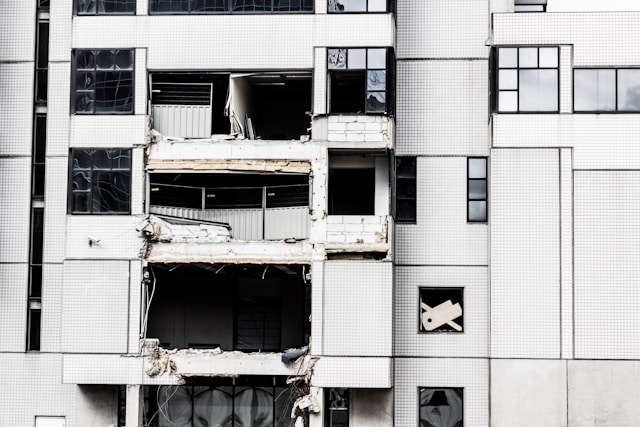
Rental property issues do not always happen between 9 and 5. A pipe can burst at midnight, heat can stop working on a freezing weekend, or a tenant may report an electrical smell late at night. For Ontario landlords, these situations are not just stressful. They can create legal, safety, and financial risks if they are not handled properly.
Understanding after-hours tenant emergencies helps landlords know when they must act right away, what can wait, and how to set up better rental property emergency procedures before something goes wrong.
In Ontario, landlords are responsible for keeping rental properties in a good state of repair and complying with health, safety, housing, and maintenance standards. This duty applies even if the tenant knew about an issue before moving in or the lease says something different. That is why landlord emergency response in Ontario should be clear, documented, and fast when safety, vital services, or serious property damage are involved.
What Counts as an After-Hours Tenant Emergency?
Not every maintenance request is an emergency. A loose cabinet handle, a broken closet door, or a dripping tap may need attention, but these issues usually do not require an immediate after-hours response.
An emergency is different. Rental property emergency situations usually involve an immediate risk to tenant safety, property damage, vital services, or the habitability of the home.
Common examples include:
- No heat during cold weather
- Major water leaks or flooding
- Sewage backups
- Electrical hazards, sparks, or burning smells
- Broken exterior doors, locks, or windows that affect security
- Fire, smoke, or carbon monoxide concerns
- No running water
- Serious plumbing failures
- Structural damage that may make the unit unsafe
- Elevator failure in certain buildings, especially where accessibility is affected
- Common area emergencies in condos or multi-residential buildings
For landlords, the key question is not simply “Can this wait until morning?” The better question is: “Could delaying action create safety risks, property damage, or a breach of Ontario landlord responsibilities emergencies?”
If the answer is yes, it should be treated as urgent.
Ontario Landlord Responsibilities During Emergencies
Ontario landlords are responsible for maintaining the rental unit and residential complex in a good state of repair. This includes making sure the property is safe, functional, and compliant with applicable maintenance standards. The City of Toronto’s landlord and renter information page also notes that landlords are responsible for fixing things that break or do not work properly, including leaking pipes, clogged drains, and appliances supplied with the rental unit.
In practical terms, Ontario landlord responsibilities emergencies may include:
- Responding promptly to urgent tenant maintenance requests
- Arranging qualified contractors or technicians
- Restoring vital services where required
- Preventing further damage to the property
- Communicating clearly with the tenant
- Keeping records of the issue, response, contractor visit, and outcome
- Following proper entry rules unless the situation allows emergency access
For landlords who do not want to personally manage late-night calls or urgent contractor coordination, professional emergency property management services can help ensure there is a process in place before something goes wrong.
When Is a Landlord Legally Required to Respond After Hours?
Ontario law does not provide one fixed response time for every emergency. Instead, the standard is based on what is reasonable in the situation. The more serious the issue, the faster the landlord should act.
A furnace failure in winter, an active flood, or a broken lock that leaves the unit unsecured should not be treated like a routine repair. These situations may affect safety, security, vital services, or habitability. In these cases, landlord emergency maintenance obligations require prompt action.
This does not always mean the issue can be fully fixed immediately. Sometimes parts are unavailable, a contractor must return the next day, or a temporary solution is needed first. However, the landlord should still take reasonable steps right away, such as contacting a qualified professional, arranging emergency service, or providing updates to the tenant.
This is where organized property maintenance services can make a major difference. Landlords with established vendors and maintenance records are usually better prepared to respond quickly.
Vital Services and Emergency Repair Timelines in Ontario
Some of the most serious emergency repair issues involve vital services. Under Ontario’s Residential Tenancies Act, vital services include hot or cold water, fuel, electricity, gas, and heat during the prescribed part of the year.
This matters because a loss of vital services can affect basic living conditions.
Examples of vital service emergencies may include:
- No heat during the legal heating season
- No electricity due to a property-related issue
- No hot water
- No running water
- Gas supply concerns
- Unsafe electrical conditions
These issues should be treated as high-priority. Even when the landlord cannot fully resolve the problem immediately, they should take reasonable steps right away, such as contacting a licensed professional, arranging temporary measures where appropriate, and keeping the tenant informed.
Tenant Emergency Repair Rights in Ontario
Tenant emergency repair rights in Ontario are connected to the landlord’s legal obligation to maintain the home. Tenants have the right to live in a rental unit that is safe and properly maintained.
Tenants should report emergencies as soon as possible and provide clear details. For example, they should explain what happened, when it started, whether there is active damage, and whether anyone is unsafe. Photos or videos can also help, as long as they can be taken safely.
Landlords should make sure tenants know how to report emergencies after hours. A clear emergency contact process helps avoid confusion and prevents tenants from sending urgent issues to an inbox that will not be checked until morning.
Regular property inspections can also reduce emergency risk by catching early signs of leaks, appliance issues, damaged locks, heating concerns, or other maintenance problems before they become urgent.
How Landlords Should Handle Urgent Tenant Maintenance Requests
When an emergency call comes in, landlords should follow a clear process instead of reacting randomly.
First, confirm what happened. Ask whether anyone is in immediate danger, whether there is active water, smoke, fire, electrical risk, or a security issue. If there is an immediate emergency, the tenant should contact emergency services first.
Second, decide whether the issue requires an after-hours response. If it affects safety, security, vital services, or major property damage, it should be escalated.
Third, contact the correct professional. Depending on the issue, this may be a plumber, HVAC technician, electrician, locksmith, restoration company, or condo emergency contact.
Fourth, keep the tenant updated. Even if the repair cannot be completed immediately, communication matters. Letting the tenant know what is happening can reduce frustration and show that the issue is being taken seriously.
Finally, follow up once the immediate problem is controlled. Some emergency repairs are temporary. A plumber may stop a leak at night, but drywall, flooring, mould prevention, or further inspection may still be needed later.
For landlords managing multiple units, residential property management solutions can help create a more reliable property management emergency response system.
Condo Emergency Management and Shared Property Issues
Condo emergency management can be more complicated than managing a standalone rental. A leak may come from another unit. A building system may be involved. Security, elevators, parking areas, and common spaces may fall under the condo corporation’s responsibility.
Landlords who rent out condo units should make sure tenants know who to contact after hours, including building security, the concierge, superintendent, or condo management office. The landlord should also stay involved and document communication between the tenant, condo corporation, and contractors.
Professional condo property management services can help coordinate these moving parts, especially when an emergency involves both the unit and shared building systems.
Preventing After-Hours Emergencies Before They Happen
Fast response is important, but prevention is even better. Many emergency maintenance rental property problems can be reduced through regular maintenance and clear tenant communication.
Preventative steps may include:
- Servicing the furnace before winter
- Checking plumbing under sinks and around toilets
- Testing smoke and carbon monoxide alarms
- Inspecting locks, doors, and windows
- Looking for signs of leaks or mould
- Cleaning gutters and checking drainage
- Explaining emergency reporting procedures to tenants
Strong tenant communication also matters. Through services like rent collection and tenant support, landlords can maintain regular contact with tenants and encourage early reporting. Good tenant screening and selection services can also support better long-term rental relationships.
For owners of detached rentals or townhomes, single-family property management and townhouse property management support can help keep maintenance organized across different property types.
Why 24/7 Property Management in Ontario Matters
Many landlords can handle routine repairs during the day. The challenge is what happens after hours, on weekends, or during holidays. 24/7 property management in Ontario gives landlords a reliable system for urgent calls, contractor dispatch, tenant updates, and repair documentation.
A professional team can help separate true emergencies from routine repairs, coordinate emergency property management services, and protect both the tenant experience and the owner’s investment.
Fast Emergency Response Protects Both Tenants and Investments
Emergencies can happen in any rental property, from leaks and heating failures to security or condo-related issues. A fast response protects tenants, limits damage, supports landlord legal obligations in Ontario, and helps preserve the property’s value.
With the right procedures and professional support, landlords can reduce after-hours stress and ensure urgent repairs are handled quickly, clearly, and properly documented. If you want a stronger emergency response system for your rental property, Manage Your Property can help you put the right support in place.