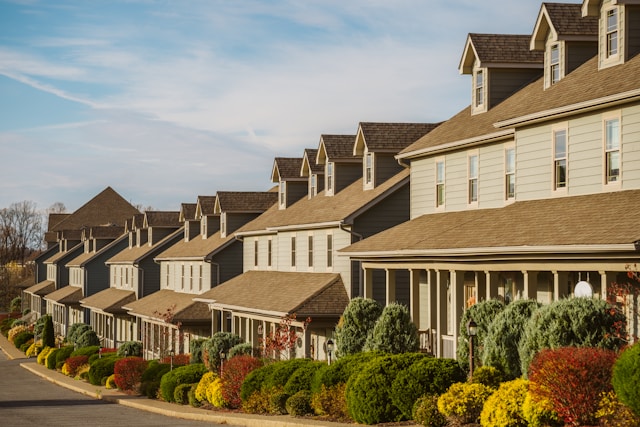
A modern townhouse complex in Ontario. Townhouse communities often share amenities like parking areas, green spaces, and playgrounds that require coordinated management.
Townhouse communities in Ontario offer a unique blend of private living and communal benefits. Shared amenities – facilities jointly owned or used by all residents – enhance the lifestyle in these complexes but also bring management challenges. Ensuring that gyms, community rooms, playgrounds, underground parking garages, garbage collection areas, and green spaces are well-maintained and accessible requires careful planning and execution. In Ontario’s condo-style townhouse complexes, the condo board (or homeowners’ association) has a legal duty to manage and maintain these common elements, which means proactive strategies are essential. This comprehensive guide will explore how effective townhouse amenity management in Ontario works, covering maintenance scheduling, preventative care, vendor hiring, resident communication, usage policies, and more. We’ll also highlight the role of professional property managers in streamlining these tasks, and discuss conflict resolution, legal compliance, accessibility, insurance, and liability considerations. By the end, you’ll understand the best practices for keeping shared spaces in your townhouse community safe, enjoyable, and in top condition – and why partnering with experts can make all the difference.
Common Shared Amenities in Ontario Townhouse Communities
In a typical Ontario townhouse complex (often organized as a condominium or co-op), homeowners enjoy a range of shared amenities that are collectively owned and maintained. These common areas extend a community’s living space beyond individual units and can include:
- Fitness facilities: On-site gyms or exercise rooms with equipment
- Community rooms or clubhouses: Multipurpose indoor spaces for gatherings or events (sometimes called party rooms)
- Outdoor recreational areas: Playgrounds for children, swimming pools, barbecue/picnic areas, and sports courts
- Parking facilities: Shared parking lots or underground garages (including visitor parking spaces)
- Waste management areas: Garbage disposal rooms, recycling centers, and compost collection sites
- Green spaces and landscaping: Lawns, gardens, walking paths, and other landscaped common grounds
All these shared amenities are considered part of the townhouse “common elements,” meaning every owner has a stake in them. For example, hallways, roofs, and walkways are common elements, as are recreational amenities like fitness rooms, pools, and playgrounds. Each resident benefits from these shared assets, but with that benefit comes shared responsibility. Community rules and Ontario condo law dictate that townhouse condo board responsibilities include keeping these areas in good repair and safe for use. Failing to do so can diminish property values and even lead to legal liability. Thus, understanding what amenities you have and their upkeep needs is the first step in effective management.
Importance of Proactive Amenity Management
Why is proactive management of shared amenities so crucial? Firstly, well-kept amenities preserve the property’s value and appeal – a tidy landscape, a clean gym, or a safe playground makes the community more attractive to current and prospective residents. Secondly, many amenities (like elevators, boilers, or even playground equipment) have safety implications. Ontario law holds condo corporations (the boards managing condo townhouse complexes) to a “reasonableness” standard of maintenance, meaning they must take all reasonable steps to keep common areas safe[. If someone is injured because an amenity was neglected (for instance, icy sidewalks not salted, or broken gym equipment left unrepaired), the corporation could be found liable for breaching its duty to keep the area reasonably safe[4]. In fact, under Ontario’s Occupiers’ Liability Act, a condominium is deemed the occupier of its common elements and must ensure people are reasonably safe on the premises. Proactive maintenance isn’t just about aesthetics – it’s about risk management and legal compliance.
Furthermore, Ontario’s Condominium Act requires proper planning for long-term upkeep. Condo townhouse boards must maintain reserve funds and conduct periodic reserve fund studies to ensure they can finance major repairs and replacements of common amenities[5]. In other words, boards are legally required to budget for things like resurfacing the parking area, replacing aging playground structures, or updating HVAC systems in a community center. This mandate underscores that shared amenity management is not optional or ad hoc – it needs foresight and structured planning. In the sections that follow, we’ll explore key management strategies to meet these obligations effectively and keep your community amenities running smoothly for everyone’s enjoyment.
Maintenance Scheduling and Budgeting for Shared Amenities
One of the pillars of effective shared amenity maintenance in Canada is having a clear maintenance schedule and budget. Townhouse complexes should create a maintenance calendar that covers daily, weekly, monthly, and seasonal tasks for each common area. For example:
- Daily/Weekly: Cleaning common rooms and gyms, emptying garbage bins, vacuuming hallways, and checking for hazards (like burnt-out lights or trip hazards).
- Monthly: Servicing equipment (e.g. lubricating garage door mechanisms, inspecting playground structures, testing fire alarms in common buildings), and routine pest control or waste area deep-cleaning.
- Seasonal: Lawn care and snow removal (vital in Ontario winters), gutter cleaning, pool opening/closing, and seasonal plantings or pruning in green spaces.
- Annual: Major inspections (e.g. structural inspection of the parking garage, comprehensive playground safety audit), repainting or power-washing communal areas, and budgeting for expected repairs or upgrades.
By mapping out these tasks, the board or property manager can ensure nothing is overlooked. Equally important is budgeting for them. Shared amenity upkeep costs are typically covered by condo fees or HOA dues paid by the residents. These fees should be set at a level that covers routine maintenance and contributes to the reserve fund for future big-ticket expenses. In Ontario, condominium boards are required to conduct reserve fund studies regularly (at least every 3 years for updates) to determine if the reserve fund has enough money to cover major repairs and replacements of common element. Periodic reserve fund studies (performed by qualified experts) will itemize major components – roofs, parking lots, elevators, HVAC, etc. – and forecast their remaining life and replacement costs. Using these studies, the board must then plan contributions so that funds will be available when needed.
Preventative budgeting is key. It’s far better to gradually save for a new playground surface or gym renovation than to hit owners with a hefty special assessment unexpectedly. A well-managed townhouse corporation in Ontario will review its reserve fund study and implement funding plans to keep the reserve healthy and avoid shortfalls. In practice, this means maintenance scheduling and budgeting go hand in hand: by knowing when each amenity will likely need significant work, the board can budget incrementally each year. Modern property management software or even a simple spreadsheet can help track maintenance timelines and associated costs. Boards should update the schedule and budget annually, accounting for any new issues discovered and adjusting for inflation or changing use patterns (for example, if a new influx of young families means the playground is seeing heavier use and wear).
Preventative Care and Inspections
“An ounce of prevention is worth a pound of cure” is especially true for shared amenities. Preventative maintenance (or preventative care) involves taking action before problems occur, to extend the life of amenities and ensure safety. This approach not only saves money in the long run but is also often required by law or standards (for instance, safety codes). Key preventative strategies include:
- Regular Inspections: Conduct routine walkthroughs and inspections of all common areas. For example, a property manager or maintenance staff should inspect playgrounds for broken or worn parts, check gym equipment for loose bolts or fraying cables, and walk the parking garage to spot leaks, cracks, or lighting issues. Routine inspections help catch small defects before they turn into expensive repairs. Knowing exactly how often to inspect each amenity depends on usage and risk – but as a rule, high-traffic or high-risk areas (like playgrounds or pools) merit frequent checks (monthly or even weekly visual checks), whereas something like a clubhouse roof might just need a seasonal look. Keep a log of these inspections as proof of diligence (this can be crucial if an incident ever occurs).
- Preventative Maintenance Tasks: Based on inspection findings and manufacturer recommendations, perform upkeep tasks proactively. This could mean lubricating moving parts of gym machines every quarter, topping up HVAC fluids, tightening bolts on park benches and playground swings, or resealing paving stones in walkways before they become tripping hazards. Preventative maintenance plans – such as servicing key building systems like heating, cooling, plumbing on a schedule – help avoid emergency breakdowns. For instance, scheduling an annual servicing of the elevator or sump pump is far cheaper and less disruptive than dealing with a sudden failure.
- Address Minor Repairs Promptly: If an inspection reveals a minor issue (a loose stair tread in the clubhouse, or a wobbly playground slide), fix it as soon as possible. Small problems can escalate if ignored. Prompt attention also prevents injuries – a loose handrail can be tightened in minutes now, or left until someone falls, creating a liability. Encourage residents to report maintenance issues as they notice them (many communities use an online portal or a dedicated email/phone line for maintenance requests). Quick response not only prevents further damage but also builds trust that the board or manager cares about the property.
- Seasonal Preventative Measures: Take steps ahead of seasonal weather challenges. In fall, ensure eavestroughs are clear and exterior faucets are winterized; before winter, arrange for snow removal contracts and stock up on salt for sidewalks. In spring, test the irrigation systems and inspect for winter damage on outdoor amenities. For example, after the thaw, you might discover cracks in tennis courts or shifting of playground surfaces that need leveling for safety.
Preventative care is closely tied to safety and liability. By taking these measures, the board demonstrates it is meeting its duty of care. Remember that condominium corporations in Ontario are legally considered occupiers of the property, meaning they must take all reasonable steps to keep the premises safe. Implementing a preventive maintenance schedule, with documented checks and fixes, is strong evidence of meeting that standard. It also greatly reduces the chance of accidents (like slip-and-fall incidents due to neglected maintenance) and the costly lawsuits or insurance claims that could follow. In short, preventative care keeps your amenities running better, lasting longer, and keeps residents safe and happy.
Hiring and Managing Vendors & Contractors
Most townhouse boards and property managers will rely on professional vendors and contractors for many maintenance tasks – and hiring the right people is a critical part of managing shared amenities. Whether it’s a landscaping company to maintain green spaces, a cleaning service for the community center, a pool maintenance technician, or tradespeople like electricians and plumbers for clubhouse repairs, you want reliable, skilled partners. Here are key strategies for vendor management:
- Due Diligence in Hiring: Always vet contractors thoroughly. Check for proper licenses and certifications (especially for elevators, boilers, electrical or pool maintenance where Ontario regulations may require certified technicians). Verify that they carry adequate insurance – this is vital so that if a contractor is injured on the job or causes damage, their insurance, not the condo corporation’s, covers it. Ask for references or examples of other properties they service, ideally other condominium or townhouse communities. A bit of homework upfront can save a world of trouble later. Remember, vendor and contractor hiring isn’t just about the lowest bid; it’s about finding qualified professionals who understand the expectations of maintaining shared residential environments.
- Clear Contracts and Service Level Agreements: When engaging vendors, have clear written contracts that spell out the scope of work, frequency, response times, and payment terms. For instance, a snow removal contract should detail how quickly after a snowfall the contractor will clear driveways and walkways, and whether they will also salt/sand. Cleaning contracts for gyms or garbage rooms should outline tasks (disinfect equipment, remove trash, etc.) and schedules. These agreements set performance expectations and provide recourse if the vendor doesn’t deliver. Include clauses for emergency call-outs if relevant (e.g. an HVAC contractor should be available for heating failures in winter).
- Regular Performance Review: Don’t just set and forget your contractors. Monitor their work and solicit feedback from residents (“Is the new cleaning crew keeping the gym clean?”). If issues arise – say the landscaping company consistently misses spots or the elevator maintenance isn’t preventing frequent breakdowns – address it promptly in writing. Many contracts have termination clauses if service is subpar. It’s wise to keep a list of backup vendors just in case. However, when you find a great contractor, build a long-term relationship. They will become more familiar with your property’s quirks and often will go above and beyond to keep a valued client happy.
- Leverage Property Manager Networks: If your community has a professional property manager, they can be a huge asset in vendor management. Experienced property managers often have a network of trusted contractors they work with regularly. This can translate into cost savings (bulk pricing or negotiated rates) and faster response times during emergencies. For example, a property manager might be able to get an HVAC technician on site the same day during a heating outage, thanks to a pre-existing relationship. They also hold vendors accountable to quality standards, as their reputation with the management company is on the line. Essentially, a seasoned property manager brings a pre-vetted roster of service providers to the table, which can greatly streamline maintenance of shared amenities.
- Preventative Service Contracts: Consider maintenance contracts for critical amenities. For instance, an annual service contract for the elevator or HVAC ensures these systems get regular professional tune-ups (often a requirement for warranty or insurance purposes). Likewise, scheduling periodic playground safety inspections by a certified playground inspector, or having a pool maintenance contract for weekly water quality checks, can keep these amenities in compliance with health and safety standards. These standing arrangements can be cost-effective and provide peace of mind that experts are keeping an eye on things.
By carefully selecting and managing contractors, a townhouse community can ensure that specialized maintenance (beyond the capability of volunteer board members or on-site superintendents) is handled professionally. The goal is to fix issues right the first time and maintain amenities in optimal condition. Poor workmanship or unreliable service can quickly lead to deteriorating facilities and frustrated residents. In contrast, a well-managed team of vendors will keep the community running like a well-oiled machine, often addressing issues before residents even notice them.
Resident Communication and Engagement
Even the best maintenance plan can fall short if residents aren’t informed and engaged. Communication with residents is a cornerstone of managing shared amenities effectively. Good communication fosters cooperation, respect for the facilities, and prompt reporting of problems. Here’s how townhouse property managers and boards can keep everyone in the loop:
- Notification of Maintenance and Closures: Always inform residents in advance about any scheduled maintenance work or temporary amenity closures. If the gym will be closed next Tuesday for equipment servicing, or the parking garage power-washed over a weekend, send out a notice. Use multiple channels – email blasts, postings on community bulletin boards or mailrooms, and community social media or portal announcements – to ensure everyone gets the message. Aim to give ample notice (at least several days, if not more) so residents can plan around the inconvenience. Clearly state the timeframe and reason: e.g., “Community Room Closed for Painting from Aug 1–3: The party room will be unavailable during these dates for repainting. Thank you for your understanding as we keep our amenities in top shape.”
- Guidelines and Reminders: Regularly remind residents of the usage guidelines for each amenity. For example, at the start of summer, you might circulate or repost the pool rules (hours, guest limits, no lifeguard disclaimer, etc.), or every spring send a friendly reminder about proper disposal of garbage in the designated area. New residents should receive a welcome package that includes all amenity policies and procedures. Keeping everyone educated on the rules helps prevent accidental misuse. It can be helpful to post signage in each area as well – such as gym rules, playground safety rules, and parking regulations – so they are always visible.
- Encourage Reporting and Feedback: Make it easy for residents to report maintenance issues or concerns. A quick online form or a dedicated email for maintenance requests ensures that if, say, a resident notices a burnt-out light in the parking garage or damage to playground equipment, they know how to alert management. Respond promptly to acknowledge the report, even if the fix might take time. Additionally, periodically seek feedback: are residents satisfied with the cleanliness of the amenities? Any suggestions for improvements? Townhall meetings or surveys can gauge the community’s priorities (perhaps residents really want an upgrade in the gym equipment or a new bench in the garden). Engaging residents in this way not only provides valuable insights but also makes them feel heard and invested in the community.
- Transparency in Decision-Making: When big decisions about amenities are made (like budgeting for a major renovation or implementing a new security system in the parking area), communicate the what and why. For instance, if the board decides to hire security patrols after a spate of vehicle break-ins, explain the situation and how the measure will benefit everyone. Transparency builds trust and understanding, so residents realize that their fees are being used wisely. Share outcomes too – if the condo fees include a contribution to the reserve fund, give an annual update on major projects it funded (e.g., “this year, reserve funds were used to resurface the driveways and replace old playground surfacing”). This shows proactive management and can reduce pushback on budget increases when people see tangible results.
- Community Engagement: Finally, encourage a sense of community ownership of the amenities. Simple initiatives like volunteer clean-up days (say, a fall litter pick-up in the green spaces or a spring “spruce up” event for the community garden) can engage residents and reduce minor maintenance costs. Posting photos or acknowledgments for residents who help (“Thank you to our gardening volunteers for beautifying the front courtyard!”) can motivate positive involvement. Engaged residents are more likely to respect the amenities and each other, which means less conflict and damage over time.
Good communication is essentially preventative maintenance for relationships. It helps avoid conflicts born of misunderstandings (for example, someone upset the party room was in use when they wanted it, not realizing there’s a booking system – an issue that clear communication could avert). Keep information flowing openly and regularly. In condominium living, no news is definitely not good news – people start to assume the worst if they’re left in the dark. A well-informed community is a more harmonious and cooperative one.
Creating Clear Usage Policies and Enforcement
To keep shared amenities enjoyable and fair for everyone, townhouse communities must establish clear usage policies and enforce them consistently. Well-crafted rules set expectations for behavior in common spaces and help prevent the most common conflicts. In Ontario, many of these rules will be formalized in the condominium’s bylaws or rules, which are binding on all owners and residents. Key areas to cover in an amenity usage policy for a townhouse community include:
- Hours of Operation: Specify when amenities can be used. For example, the gym might be open 5 AM to 11 PM, the rooftop terrace closed after 10 PM, or quiet hours in outdoor areas after a certain time. This helps prevent noise disturbances at odd hours. Ensure hours respect local noise bylaws as well. Post these hours clearly at entrances to facilities and in the residents’ handbook.
- Guest Policies: Define if and how residents can bring guests to use amenities. Some communities require residents to accompany guests and limit the number (e.g., maximum 2 guests in the gym or pool per unit). For rentable spaces like a party room, outline the booking procedure and any fees or security deposits, and whether private events require board approval or proof of insurance. Guest rules prevent facilities from being overrun by outsiders and ensure accountability (the resident host is responsible for guest behavior).
- Reservation Systems: If amenities can be reserved (common for things like BBQ areas, tennis courts, or party rooms), set up a fair reservation system. This could be an online calendar or a sign-up sheet. Make rules such as maximum booking duration, how far in advance booking is allowed, and a cancellation policy. A transparent system avoids double-booking conflicts and gives everyone equal opportunity to use high-demand facilities.
- Behavioral and Safety Rules: Outline expected conduct: no smoking or drinking in certain areas, proper attire (e.g., required footwear in the gym, swim diapers for babies in the pool), no roughhousing in the community room, etc. Safety rules are crucial – for instance, “Children under 12 must be supervised by an adult in the pool area” or “No lifeguard on duty: swim at your own risk.” If your property has a shared amenity maintenance concern like a fragile historic garden or a pond, include “do not” rules to protect those features. Use of equipment should also come with guidelines (e.g., wipe down gym machines after use, return weights to racks). Permanent signage in facilities can reinforce key safety and conduct rules to all users.
- Exclusive-Use vs Shared Use Clarity: Some townhouses have areas that are common but designated to specific units (exclusive-use common elements like certain parking spots or patios). Policies should clarify responsibilities in those cases (often the adjacent owner must maintain an exclusive-use area like a balcony, while the corporation maintains general areas). Make sure residents know which spaces are free for all (e.g., anyone can play on the lawn) versus which are reserved (only certain units can use that particular parking pad or storage locker, for example). This avoids turf wars.
Once rules are in place, enforcement is the next challenge. Even the best rules mean little if consistently ignored. Here’s how to enforce effectively:
- Consistent Enforcement: Apply rules uniformly to all residents, with no favoritism. If one family is fined for leaving garbage outside the bin, the next offender should be treated the same. Consistency not only is fair, but it also builds credibility – residents know the board or management is serious about the policies. Inconsistent or selective enforcement breeds resentment and often, non-compliance by others (“If they didn’t enforce it on X, why should I follow it?”).
- Graduated Penalties: Have an escalation process for rule violations. Often a friendly reminder or warning letter for a first offense is enough. If the behavior continues, follow up with formal warning and then applicable penalties as per the condo bylaws (which could include fines, suspension of amenity privileges for serious or repeated violations, and in extreme cases, legal action for injunctions). Make sure any fines or penalties are in line with what the condominium’s governing documents and Ontario law permit. The Condominium Act allows condos to collect costs for damages or enforce compliance through the courts, but “fining” is not directly set out in the Act – however, many condos have indemnification clauses to charge back costs of rule breaches (e.g. cleaning fees if someone makes a mess).
- Use of Monitoring or Access Systems: In some cases, technology helps enforcement. Key fob systems can track who accesses the gym and when, security cameras in common areas can deter vandalism or misuse, and booking systems log usage. For example, if damage is found in the party room, the booking log shows who had it last. These tools should be used in compliance with privacy laws, but can provide accountability.
- Board or Management Oversight: Decide who will handle day-to-day enforcement – often the property manager will issue warnings or notices as part of their duties, reporting major issues to the board. The board should support the manager by backing enforcement actions and not undermining the rules for personal acquaintances. In self-managed townhouses, the board must take on the sometimes-uncomfortable role of enforcing rules on their neighbors – having clearly written rules and established processes makes this easier, as it feels less personal (“it’s the rule, not me being picky”).
Well-defined amenity usage policies for townhouses coupled with fair enforcement ensure that shared spaces are used considerately and remain available for all to enjoy. They are also critical when conflicts arise – rather than personalizing a dispute, you can point to the agreed rules. Next, we will discuss what to do when disagreements between residents happen despite these rules, and how to resolve them amicably.
Conflict Resolution in Shared Spaces
Living in close quarters and sharing facilities inevitably leads to some conflicts. Common flashpoints in townhouse complexes include noise issues (e.g., loud gatherings in the community room or shouting kids on the playground), competition for resources (like parking spots or gym equipment), or rule violations (someone not cleaning up after using a BBQ area, for instance). Resolving conflicts between residents swiftly and fairly is essential to maintain community harmony. Here are best practices for conflict resolution over shared spaces:
- Refer to the Rules First: When a complaint arises, anchor the discussion in the established rules or policies. For instance, if Resident A complains that Resident B’s guests monopolized the tennis court all Saturday against the rules, the board or manager can point out the specific rule (“each unit may book the court for a maximum of 2 hours”) and use that as the basis for mediation. This removes personal bias – it’s not one neighbor versus another, but both neighbors aligning with the community’s agreed standards. Clear bylaws and rules set expectations and make conflict resolution more straightforward.
- Encourage Direct Communication (When Safe): Often, neighbors can work things out themselves with a polite conversation. The board or manager can encourage a resident who has an issue (“my neighbor always leaves the laundry room a mess”) to, if comfortable, speak kindly to the neighbor about it first. Sometimes people are unaware of their impact and will correct it once approached politely. However, this isn’t always feasible, and many people prefer a third party to step in to avoid direct confrontation.
- Mediation by Management/Board: The property manager or board can act as impartial mediators in disputes. Listen to both sides separately, then together if appropriate, and try to find a reasonable solution. For example, two families arguing over playtime in the small playground (each claiming the other’s kids are too rough) might benefit from a mediated session reminding both of the posted safety rules and perhaps agreeing on “ground rules” amongst themselves. The tone should be that of solving a mutual problem (keeping the amenity enjoyable for all), not assigning blame. Having a neutral third party oversee the discussion can prevent it from becoming too heated and keep it focused on solutions.
- Timely Response: Address complaints quickly. Acknowledge receipt of a complaint right away, and aim to investigate or intervene promptly. When issues fester without response, residents get more frustrated and positions harden. Prompt action shows the community that the leadership takes concerns seriously, which can prevent escalation. Even if a full resolution takes time or a board meeting to decide, communicate interim steps (“We have received your complaint about the noise in the gym and are looking into solutions. We’ll follow up by next week after reviewing the key fob logs and camera footage.”).
- Fair Conflict Resolution Processes: Ensure the process for handling disputes is perceived as fair. If a particular board member is involved in a conflict (perhaps the dispute is between the board member and another resident), that board member should recuse themselves from the resolution process to maintain impartiality. Some condo boards establish a grievance committee or use the property manager as the primary point of contact for resident disputes, which can reduce personal bias. The Condominium Authority of Ontario (CAO) provides a Condo Authority Tribunal for certain disputes, like noise or rule enforcement issues, if internal resolution fails, but ideally it doesn’t come to that. Nonetheless, knowing that an external, neutral tribunal exists can sometimes motivate parties to settle issues in-house (since going to tribunal or court is more effort and cost for everyone).
- Document and Follow Up: Keep a written record of complaints and how they were resolved. This is useful if patterns emerge (e.g., one resident repeatedly causing issues – the documentation will support firmer action later if needed). After a resolution, follow up with the involved parties to ensure the solution is holding. For instance, if two neighbors had a conflict over a noisy garage door late at night and agreed to adjust the timing, check in after a couple of weeks: “Has the situation improved?” This follow-up not only ensures the issue is truly solved but also demonstrates care.
- Educate and Remind the Community: Often after resolving an incident, it’s wise to send a gentle community-wide reminder about the issue in general terms. If there was a conflict about pet waste in the common garden, send a notice: “Reminder: All pet owners must clean up after their pets immediately – let’s keep our green spaces clean and pleasant for all.” This reinforces expectations without naming names, and can prevent copycat issues.
By handling conflicts with a balanced approach – listening to concerns, enforcing rules fairly, and seeking mutually agreeable solutions – the board or management can defuse tensions. Good communication and conflict resolution are key to a happy community, and professional managers are often skilled at handling these delicate situations. In fact, many townhouse communities turn to property management services precisely because they provide experienced conflict mediators who can take the personal sting out of neighbor disputes. Next, we will explore how such professional managers can streamline not only conflict resolution but all aspects of amenity management.
Legal Compliance, Accessibility, and Liability Considerations
Managing shared amenities isn’t just about day-to-day cleaning and repairs – it also involves navigating various legal, accessibility, and safety requirements. Townhouse boards must stay compliant with provincial laws, local bylaws, and ensure they mitigate liability risks. Here are critical considerations:
1. Ontario Condominium Law Obligations: As mentioned earlier, Ontario’s Condominium Act places clear duties on condo corporations to maintain common elements and keep them in good repair. Neglecting an amenity isn’t just a disservice to residents – it could be a breach of statutory duty. Additionally, condos must adhere to their own declaration and bylaws which often spell out maintenance responsibilities in detail (for example, the declaration may specify whether the corporation or the unit owner is responsible for maintaining exclusive-use balconies, front yard areas of townhouses, etc.). Boards should familiarize themselves with these documents and ensure their maintenance plans align with those obligations. If significant alterations or improvements to amenities are planned, the Condo Act may require owner approval or notice depending on cost and necessity, so legal advice might be warranted.
2. Accessibility: Accessibility is an increasingly important aspect of amenity management. While existing townhouse complexes may not be required to retrofit all common areas to current accessibility standards, it’s good practice (and sometimes legally required in new constructions or major renovations) to ensure amenities are accessible to residents with disabilities. This can include having ramps or level entrances to a clubhouse or gym, installing lever-style door handles, providing accessible parking spaces and curb cuts, and making sure common washrooms (if any) are barrier-free. The Accessibility for Ontarians with Disabilities Act (AODA) sets standards that organizations must follow to identify, remove, and prevent barriers – condo corporations may fall under certain requirements, especially if they have employees or offer services. At a minimum, creating an accessibility policy and accommodating residents with disabilities (for example, if a resident requests an automatic door opener be installed in the party room entrance, the board should consider it seriously and may be obligated to if it’s a reasonable accommodation under human rights codes). While the AODA housing standards are evolving, inclusive design benefits everyone – think of parents with strollers or elderly residents who appreciate ramps and elevators as much as those with mobility devices. When upgrading amenities, strive to meet or exceed accessibility guidelines (e.g., ensure the renovated playground has some accessible play features, or the new gym equipment includes options usable by people with varying abilities).
3. Insurance and Liability: Insurance is a lifesaver when it comes to managing the risks of shared amenities. In Ontario, condo corporations are required by law to carry insurance for the common elements and for liability[21]. This typically means: property insurance covering damage to shared property (from risks like fire, flooding, etc.), and general liability insurance protecting the corporation if someone is injured in a common area and sues. Additionally, directors and officers liability insurance is required to protect board members personally[22]. The board should review the policy annually to ensure coverage limits are sufficient given any new amenities or enhancements. For example, if you add a new playground or a gym, notify the insurer – amenities like these might slightly raise premiums due to increased risk of injury, but it’s crucial they are covered. Liability resulting from use of amenities (like someone getting hurt on a treadmill or slipping in the parking garage) would fall under this insurance, provided the corporation wasn’t grossly negligent. However, insurance won’t prevent premiums from rising after claims, so diligent maintenance and risk management are still needed.
It’s also prudent to require certain insurance or waivers from residents in specific cases: for instance, if residents can rent the party room for private events, the board might mandate that they obtain event liability insurance or at least assume responsibility for any damage (some condos require a security deposit for this reason). Likewise, any outside vendors running activities in amenities (say a fitness instructor running a yoga class in the common room) should show proof of their own liability insurance and perhaps sign indemnity agreements.
4. Risk Management and Safety Codes: Complying with safety regulations is non-negotiable. Ensure that amenities meet Ontario Building Code and Fire Code requirements – for example, community rooms must not exceed certain occupancy and need appropriate fire exits and extinguishers; underground parking garages must have ventilation and carbon monoxide detectors as per code; pools must follow public health regulations for water quality if applicable. The condo corporation should schedule necessary safety inspections – such as fire alarm tests, elevator inspections (TSSA mandates these), boiler inspections, etc. Many of these are legally mandated on specific schedules. Keeping a calendar and contracts for these is essential for compliance. Fire safety deserves special mention: amenities like BBQ areas or shared kitchens need clear rules to prevent fire, and the corporation must maintain fire suppression equipment (sprinklers, alarms, extinguishers) in all common facilities. Regular fire drills or at least safety notices to residents can enhance preparedness.
In terms of general liability reduction, consider measures like installing CCTV cameras in parking and entry areas, ensuring good lighting throughout the property (dark corners invite accidents and crime), and removing hazards promptly (e.g., fix that broken step before someone trips). The Condominium Authority of Ontario suggests that condos implement preventive measures and keep records, since an occupier’s liability case will consider whether the condo took “reasonable” steps. For example, if someone slips on ice, having logs that show your snow contractor was there at 6 AM salting the ice can defend against a claim.
5. Environmental and Health Regulations: Don’t forget any environmental rules – for instance, proper disposal of pool chemicals, adherence to local noise bylaws for outdoor amenities, or health regulations if there’s a shared spa or sauna (some jurisdictions treat these similar to public facilities requiring certain permits or procedures). Garbage and recycling should be managed in accordance with municipal waste guidelines (Toronto, for example, has strict rules for separating waste in multi-residential buildings). If the community has any playground, the CSA (Canadian Standards Association) playground safety standards are considered the best practice; while not law, following them (like having adequate depth of wood chips or sand for fall attenuation, and annual inspections by a Certified Playground Inspector) can demonstrate due diligence.
In summary, legal compliance spans many facets – from condo-specific laws and bylaws, to general safety and accessibility standards. Boards should stay educated (resources from the Condo Authority and industry associations like CCI are very helpful) and consult professionals (lawyers, insurance brokers, accessibility consultants, etc.) when making major decisions. The cost of doing it right is always less than the cost of a legal battle or insurance claim later. By building compliance and safety into the fabric of amenity management, you protect both the residents and the corporation itself.
How Professional Property Managers Streamline Amenity Management
Managing all the above aspects – scheduling maintenance, liaising with contractors, communicating with residents, enforcing rules, staying on top of legal requirements – can be a full-time job. That is why many Ontario townhouse complexes turn to professional property managers to handle shared amenities. A qualified property management company brings expertise and resources that can greatly benefit a townhouse community:
- Expert Coordination and Experience: Professional managers have experience juggling the many moving parts of property upkeep. They create maintenance schedules, organize preventative care, and ensure nothing falls through the cracks. Because this is their profession, they often anticipate issues before they arise (for example, knowing that an older HVAC in the community room should be budgeted for replacement soon, or that this time of year the pool needs an extra cleaning after pollen season). Their experience with multiple properties means they have tried-and-true systems in place for efficient operations.
- Vendor Networks and Buying Power: As mentioned earlier, a property manager’s network of vetted vendors can result in better service and prices. Instead of a condo board starting from scratch to find a reputable playground inspector or snow removal company, a manager likely already knows one. They can often negotiate better deals due to volume (a contractor servicing 10 properties for the management firm might offer discounted rates). And if a contractor underperforms, the manager can leverage their ongoing relationship to correct issues swiftly or replace them. This removes a huge burden from volunteer board members who may not have the time or knowledge to manage contractors so closely.
- Administrative Efficiency: A lot of amenity management is administrative – sending notices, keeping records, tracking budgets, processing insurance renewals, updating reserve fund studies, etc. Property managers handle these tasks systematically. They keep detailed records of inspections, repairs, and resident communications, which is invaluable for accountability and future planning. They prepare regular reports for the board on maintenance and finances, helping the board make informed decisions. All the paperwork (and digital work) that can overwhelm a small board is second nature to a property management firm.
- Rule Enforcement and Conflict Resolution: A professional manager acts as a neutral enforcer of community rules and an intermediary in disputes[19]. This can dramatically reduce friction, as residents often respond better to a third-party manager’s involvement than to a neighbor on the board trying to enforce rules. The manager will issue violation notices, follow up on compliance, and if needed, involve security or legal counsel as appropriate – all in a consistent, businesslike manner. They are trained in conflict resolution and customer service, so they can de-escalate issues and find solutions while keeping emotions in check. This helps preserve the neighborly relationships in the community by removing personal confrontations. Essentially, the property manager handles the tough conversations so the board doesn’t always have to.
- Knowledge of Legal and Regulatory Requirements: Good property managers stay up-to-date on changes in relevant laws (condo law amendments, property standards bylaws, etc.). They often have legal knowledge or resources to ensure the condo stays compliant. For example, if a new municipal fire code rule requires updated smoke detectors in the clubhouse, the manager will know and implement it. If the condo act changes insurance obligations or introduces new tribunal processes, the manager adjusts procedures accordingly. They might also have connections with lawyers, engineers, and other professionals for consultation when specialized expertise is needed. This proactive compliance approach avoids costly mistakes and fines.
- Time and Stress Reduction for Boards: Perhaps the most palpable benefit is lifting the day-to-day operational burden off the shoulders of volunteer board members. Instead of spending your evenings coordinating a repair or fielding complaint calls, the board can focus on higher-level decisions and leave execution to the manager. As one article on condo management put it, property management “takes over the daily tasks, freeing up board members to focus on the big picture”. This not only reduces stress but often results in a better-run community because tasks are handled promptly and professionally rather than delayed until a board member can get to it. A well-managed property tends to have more satisfied residents, which in turn may reflect in property values and community spirit.
Of course, hiring a property manager is an added expense, and boards should weigh the cost against the benefits. In Ontario, condo managers must be licensed through the Condominium Management Regulatory Authority of Ontario (CMRAO), ensuring a level of professionalism and education. Many communities find that the value provided by professional management – in protecting a multimillion-dollar property asset and maintaining a peaceful living environment – justifies the fees.
If self-managing your townhouse complex has become overwhelming or if you see room for improvement in how amenities are cared for, it may be time to consider bringing in the pros. They can tailor their services to your community’s needs, whether it’s full-service management or just handling specific aspects like accounting and maintenance scheduling. The result is typically more streamlined operations and happier residents.
Conclusion: Keeping Shared Spaces Enjoyable and Safe
Shared amenities are at the heart of what makes townhouse complex living attractive – they provide convenience, recreation, and a sense of community. Properly managing those amenities in an Ontario townhouse community involves foresight, organization, and adherence to best practices and legal standards. By scheduling regular maintenance, investing in preventative care, hiring qualified vendors, maintaining open communication with residents, and enforcing fair usage policies, a community can ensure its gyms stay clean and safe, its community rooms welcoming, its playgrounds hazard-free, and its parking and garbage areas orderly. Proactive management not only enhances daily living but also prevents conflicts and accidents, protecting both residents and the condominium corporation from harm.
Importantly, no board or owner has to tackle this all alone. As we’ve seen, professional property management services can greatly ease the burden and bring expert guidance to amenity management – from handling day-to-day tasks to navigating complex legal obligations. Many thriving townhouse communities credit their success to a strong partnership between a diligent board and a capable management team.
If you’re looking around your townhouse complex and thinking about ways to improve the upkeep of shared spaces or reduce the headaches of managing them, it might be time to seek professional help. Manage Your Property has extensive experience in townhouse community management, overseeing everything from maintenance scheduling to resident relations. In fact, our team manages hundreds of townhouses across Canada each year and understands the unique needs of these properties. We take pride in creating safe, well-maintained, and harmonious communities.Ready to simplify your townhouse amenity management and enhance your community’s living experience? Contact us today to learn more about our Townhouse Property Management Services. From Ontario townhouse condo boards to private townhouse complexes, ManageYourProperty.ca can tailor a management solution that keeps your shared amenities in peak condition – and lets you enjoy the benefits of your community without the stress of managing it all. Let us handle the heavy lifting of property management, so you can truly enjoy your home and neighborhood.