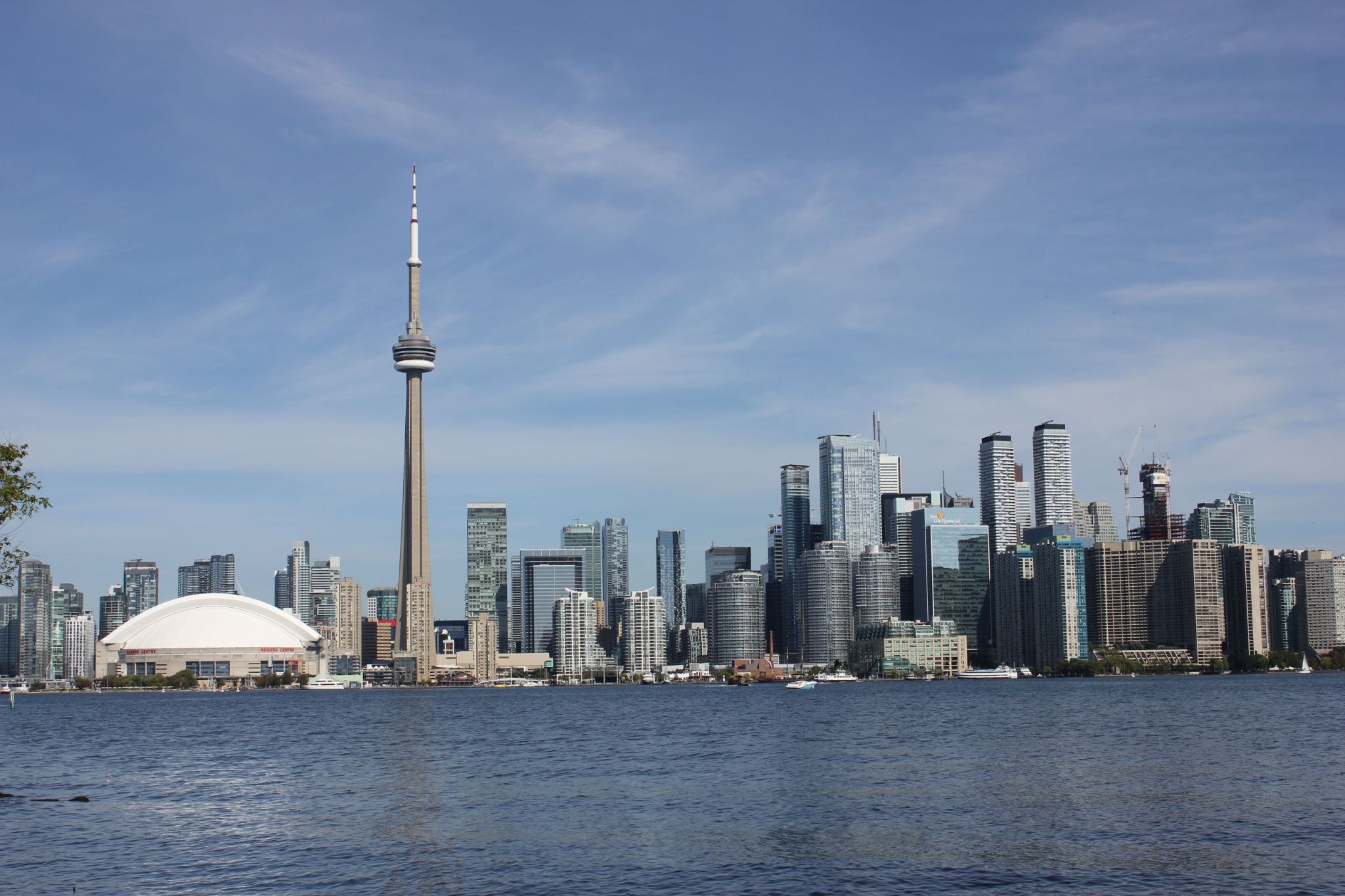
Canada has traditionally been considered a reliable and secure destination for international real estate investors.
With a transparent legal system, a stable economy, and a consistently high demand for housing driven by aggressive immigration targets, the Canadian market, specifically the Greater Toronto Area (GTA), remains a premier destination for capital.
However, the landscape for non-resident investors has shifted dramatically in recent years. Between the federal “Foreign Buyer Ban,” the implementation of the Underused Housing Tax (UHT), and provincial tax hikes like Ontario’s Non-Resident Speculation Tax (NRST), the “buy and hold” strategy now requires a much more sophisticated roadmap.
This guide provides a comprehensive breakdown of what is currently allowed, the tax implications of ownership, and the smart strategies required to remain profitable in 2026 and beyond.
Can Foreigners Still Buy Property in Canada?
Yes, foreigners can still buy property in Canada, but with significant restrictions under the Prohibition on the Purchase of Residential Property by Non-Canadians Act, which has been extended until January 1, 2027. While the ban prohibits most non-Canadians from buying residential homes in or near major cities, exemptions exist for certain work permit holders, students, and permanent residents, along with options for purchasing in rural areas or commercial real estate.
What is Prohibited?
The ban restricts “non-Canadians” (individuals who are neither citizens nor permanent residents) and foreign-controlled corporations from purchasing residential property containing three dwelling units or fewer. This includes detached houses, semi-detached houses, and condominium units within Census Metropolitan Areas (CMAs).
Key Exemptions for 2026
- Multi-Unit Buildings: Properties with four or more dwelling units are exempt. This makes purpose-built rentals and small apartment buildings a primary target for foreign investors.
- Temporary Residents: Work permit holders and international students may qualify if they meet specific residency and tax-filing thresholds.
- Commercial Real Estate: The ban does not apply to office, retail, or industrial properties.
- Vacant Land: Land purchased for development purposes is generally exempt.
Provincial Rules: The Ontario Landscape
Even if you qualify under an exemption to the federal ban, provincial regulations add another layer of complexity. Ontario is particularly aggressive in its regulation of foreign capital.
The Non-Resident Speculation Tax (NRST) is a high upfront cost. Currently set at 25%, it applies to the purchase price of “designated land” (residential property containing one to six units) across the entire province of Ontario. For those looking specifically at the City of Toronto, a municipal tax may also apply, further increasing the entry cost.
Taxes Foreign Investors Must Consider

Investing in Canada as a non-resident involves four primary tax “checkpoints.” Failure to plan for these can turn a high-yield asset into a financial burden.
1. The Entry Cost: NRST
As stated, the 25% NRST is due upon closing. This is not a tax on profit, but a tax on the total purchase price.
- Example: A $1,000,000 CAD condo in Toronto would require an immediate $250,000 NRST payment, effectively making your “all-in” cost $1.25M before legal fees.
2. The Holding Cost: Withholding Tax on Rent
The Canada Revenue Agency (CRA) requires a 25% gross withholding tax on rental income earned by non-residents.
- The Section 216 Election: Smart investors often file a “Section 216” election. This allows you to pay tax on your net income (revenue minus expenses like mortgage interest, property management, and repairs) rather than the gross amount.
Check out rental income reporting for Canadian taxes.
3. The Exit Cost: Capital Gains Tax
When you sell your Canadian property, you are subject to capital gains tax. Generally, 50% of the gain is taxable at your marginal Canadian tax rate.
- The Clearance Certificate: To ensure the tax is paid, the CRA requires a “Certificate of Compliance.” Without this, the buyer’s lawyer is legally obligated to withhold up to 25% to 50% of the total sale price (not just the profit) until the certificate is issued.
4. Ongoing Operating Costs
In addition to the taxes tied to acquisition and sale, foreign investors must also consider ongoing operational expenses, including municipal property taxes, condo fees, insurance, and maintenance and repair costs. These ongoing costs can vary significantly depending on the type and location of the property. Investors need to factor in these expenses, along with rental property tax deductions in Canada, when evaluating the long-term viability and profitability of an investment property in Canada. Failure to do so could result in unexpected financial burdens, which can impact the overall return on investment.
Is It Still Profitable for Foreign Investors?
Despite the 25% entry tax and the federal ban, Canada remains a massive draw for specific types of investment.
Market Appreciation vs. Cash Flow
In cities like Toronto, the strategy has shifted from cash-flow-heavy returns to long-term capital appreciation. While high interest rates and taxes can make “cash-flow positive” properties harder to find, the supply-demand imbalance in the GTA continues to drive property values upward over 10-year cycles.
The Rental Demand Powerhouse
Canada’s rental market, particularly in urban centers, is experiencing strong demand. With a growing population, including international students, newcomers, and skilled workers, rental properties continue to be in high demand. Investors who purchase rental properties in high-demand areas can expect consistent rental income, especially if they target areas with chronic housing shortages.
Cap Rate Considerations
The capitalization rate (cap rate) is an important metric used to evaluate the profitability of an investment property. It compares the property’s net operating income to its value or purchase price. Investors should consider both gross yield (total income divided by the property price) and net yield (income minus expenses and taxes). Check out the cap rate vs. ROI.
Biggest Risks Foreign Investors Face
While the Canadian real estate market offers great potential, there are significant risks that foreign investors need to mitigate.
Regulatory Changes
The Canadian government is continually adjusting policies regarding foreign ownership. Changes to tax rates, restrictions on property types, and shifts in housing affordability strategies can affect investment profitability. Keeping abreast of regulatory updates is crucial for non-resident investors.
Remote Management Challenges
Managing a property from abroad presents challenges, especially for foreign investors who cannot easily access their properties. Tenant management, maintenance, and ensuring compliance with local laws can be difficult without a local team or property manager. To avoid legal pitfalls, foreign investors should stay informed about landlord-tenant relations. This can be achieved by reading up on key topics, such as avoiding legal pitfalls in Ontario landlord-tenant relations, which provides crucial insights into managing relationships with tenants effectively.
Tenant Disputes and Maintenance Delays
Foreign investors may also face challenges with tenant disputes, maintenance issues, or vacancies that arise from being unable to monitor the property in person. Delays in repairs and communication can lead to dissatisfied tenants, increased vacancies, and lost income. Understanding the top compliance mistakes Canadian landlords make can help landlords avoid costly mistakes and ensure smooth operations.
Tax Compliance Penalties
Non-compliance with Canadian tax laws can result in significant penalties. The CRA is vigilant about withholding taxes on rental income, capital gains, and property taxes. Foreign investors must file accurate returns and adhere to deadlines to avoid fines and complications when selling the property.
Smart Investment Strategies for Non-Residents
1. Target Multi-Unit Residential (4+ Units)
Since the federal ban excludes buildings with four or more units, foreign investors can bypass the “prohibition” by moving into the small-to-mid-scale apartment sector. These properties also offer better economies of scale for management.
2. Focus on the “GTA Growth Corridors”
Don’t just look at downtown Toronto. Growth corridors in the Greater Toronto Area, such as Vaughan, Markham, and Brampton, often offer slightly lower entry points with equally strong rental demand.
3. Professional Management is Mandatory, Not Optional
For a foreign investor, a property manager is your “boots on the ground.” They handle the critical tasks that keep you compliant:
- Tenant Screening: Ensuring you don’t inherit a professional “squatter.”
- Financial Reporting: Providing the statements you need for your Section 216 tax filings.
- Legal Compliance: Navigating the complex Ontario Landlord and Tenant Board (LTB).
Choose the right property management company.
How to Manage Canadian Real Estate From Abroad
Managing Canadian rentals from abroad requires a digital-first approach. Key strategies include:
- Communication Systems: Use digital platforms for tenant communication and document management.
- Rent Collection: Set up automated systems to ensure timely payments.
- Preventative Maintenance: Schedule regular inspections and maintenance through property management services.
- Professional Property Management: Hire a local property manager to handle day-to-day operations, including tenant screening, legal compliance, and maintenance.
These strategies help ensure that your property remains profitable and compliant while minimizing the challenges of managing from abroad.
Canada’s real estate market remains an appealing investment opportunity for foreigners, especially when approached with the right strategies. While new regulations and taxes have added complexity, foreign investors can still find profitability by carefully structuring their investments, understanding local laws, and contacting professional property managers.
FAQs
Can foreigners buy property in Canada in 2026?
Yes, but only for certain property types (4+ units, commercial) or if they meet specific exemptions (work permits, students). Most single-family homes and condos are banned for non-residents until 2027.
What is the foreign buyer tax in Ontario?
The Non-Resident Speculation Tax (NRST) is currently 25% of the purchase price.
Can foreign investors get a mortgage in Canada?
Yes, but expect stricter requirements. Most Canadian lenders require a minimum 35% down payment from non-residents.
Is rental income from Canada taxable abroad?
Generally, yes, though Canada has tax treaties with many countries (like the US, UK, and France) to prevent double taxation.
Can non-residents avoid the 25% rental withholding?
You cannot “avoid” it, but you can reduce it by filing an NR6 form and a Section 216 return, allowing you to be taxed on net profit rather than gross revenue.