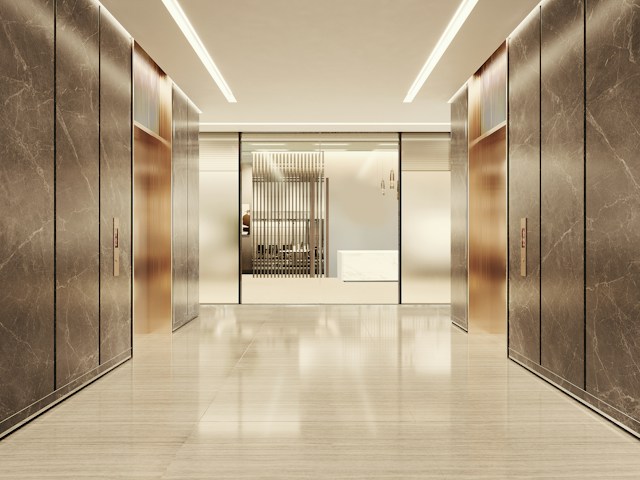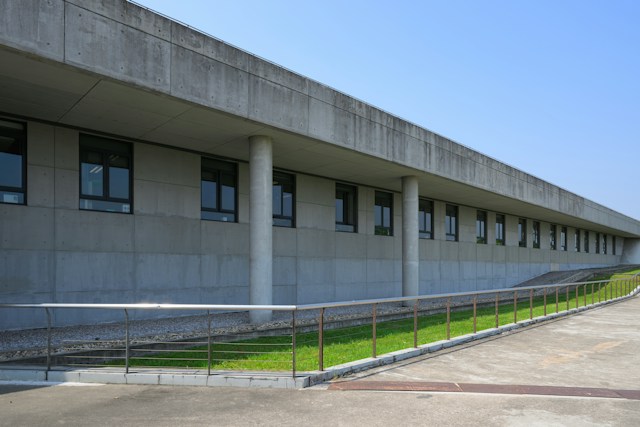
From the street, a medical building looks like any other office building. Inside, it works very differently. It runs heavier HVAC and plumbing loads, keeps longer hours, welcomes patients with mobility needs every day, and houses tenants who have invested heavily in their build-outs.
A general property manager can keep the lights on. A manager who understands clinic tenancies protects your income, because medical tenants stay for years when the building works for them and leave when it doesn’t. This guide covers seven areas where managing a medical building is different and the questions to ask any manager you’re considering. You can also see how we approach these buildings on our medical and professional building management page.
1. Building Systems Built for Clinical Use
Medical tenants put more demand on building systems than typical office users.
HVAC and Ventilation
Exam rooms, procedure rooms and labs can require higher air-exchange rates and tighter temperature and humidity control. That means more frequent filter changes, more preventive maintenance and faster response when a unit fails, because a failure can cancel a day of appointments.
Plumbing
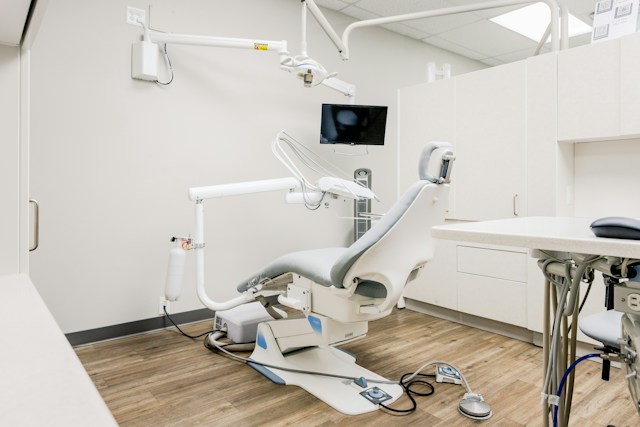
Dental operatories and labs often need dedicated water lines, sinks and drains in every room. Backflow prevention devices must be tested as municipal bylaws require, and drain issues in a clinic can’t wait for the next scheduled visit.
Electrical and Equipment Loads
Imaging and lab equipment can need dedicated circuits and more electrical capacity than a standard suite. A specialized manager checks capacity before every build-out instead of discovering the problem after equipment arrives.
All of this sits on a tighter property maintenance schedule, using contractors with the right qualifications. Our guide to finding qualified maintenance contractors explains what to look for.
2. Access, Security and Extended Hours
Clinics rarely keep a nine-to-five schedule. Early appointments, evening clinics and weekend sessions all need the building open, secure and safe. A specialized manager sets up fob or card access by tenant and schedule, covers entrances and parking with cameras, writes clear lock-up procedures and logs every incident. When something goes wrong at night, our emergency property management services team responds.
3. Accessibility for Patients

Many patients use walkers, wheelchairs or other mobility aids. The Accessibility for Ontarians with Disabilities Act sets accessibility standards, and the Ontario Building Code sets barrier-free requirements that apply when work is done, such as renovations and clinic build-outs. In practice, owners focus on two things: getting barrier-free design right every time work is done, and keeping existing accessible features working.
Power door operators, ramps, accessible washrooms and designated parking should be checked regularly through property inspection services, with problems fixed quickly. This is general information, not legal advice; specific compliance questions should go to a qualified professional.
4. Medical Waste and Cleaning Standards
Clinics usually handle their own biomedical and sharps waste under their lease and the rules that apply to their practice. The landlord’s job is to make sure waste is stored and removed separately from regular building waste, and that the lease spells out who is responsible for what. Common-area janitorial specifications should also reflect a building with steady patient traffic.
Clear documentation at move-in and move-out protects you, a principle we also cover in our guide to environmental liability for commercial landlords in Ontario.
5. Clinic Build-Outs and Restoration
Medical build-outs are more complex than a standard office fit-up. A specialized manager reviews HVAC, plumbing and electrical capacity before approving plans, separates landlord’s work from tenant’s work, coordinates permits, and tracks how any improvement allowance is spent. Just as important, the manager confirms what must be removed or restored at the end of the lease, such as plumbing in operatories, equipment pads or shielded rooms, so you aren’t left with the cost later.
6. Lease Clauses Specific to Medical Tenants
A clinic lease needs more detail than a standard office lease. The clauses that matter most include:
- Permitted Use and Exclusives: Defines the practice type and prevents two competing clinics in one building.
- After-Hours HVAC: Explains how extended-hours heating and cooling is measured and charged back.
- Biomedical Waste: Sets out who stores and removes it, and how.
- Build-Out, Alterations and Restoration: Covers what can be installed and what must be removed.
- Signage and Directory Rights: Patients need to find the clinic easily.
- Insurance: Premises coverage and evidence of the tenant’s professional coverage where appropriate.
After-hours HVAC and other operating costs are usually recovered as additional rent, as explained in our guide to TMI for Ontario commercial landlords. Before signing, your manager should also be vetting the practice’s financials. Every clinic lease should be reviewed by a lawyer.
7. Tenant Mix and Retention
Complementary tenants such as a pharmacy, lab, imaging centre or physiotherapy clinic send patients to each other. When the mix works, every tenant has another reason to stay. Because clinics are expensive to move, retention is the biggest value lever in a medical building, and it starts with the building working well during clinic hours. Our guide to improving tenant retention covers the fundamentals.
General vs Specialized Manager: Questions to Ask
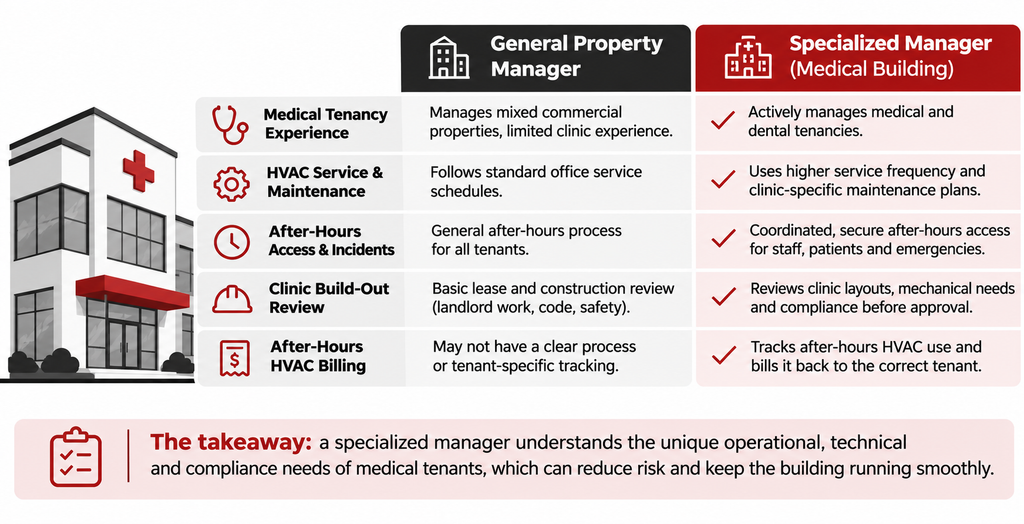
Before you hire a manager for a medical building, ask:
- How many medical or dental tenancies do you manage today?
- How often do you service HVAC in clinic buildings compared with standard offices?
- How do you handle after-hours access and incidents?
- How do you review a clinic build-out before approving it?
- How do you bill after-hours HVAC to tenants?
For a complete interview list, see our questions to ask a commercial property manager before you sign.
Manage Your Medical Building Around Practitioner Needs
Owning a medical, dental or professional building comes with responsibilities a standard office approach can miss. Our medical and professional building management covers clinic-grade maintenance, after-hours access, build-out reviews and clinic-specific lease administration. Where your professional tenants sit in a standard office building, our office building property management covers that side, all within our wider commercial property management services.
We work with medical building owners in Toronto, North York, Scarborough, Etobicoke, Markham, Richmond Hill, Vaughan, Mississauga, Oakville and Newmarket. Let’s Talk about your building.
Frequently Asked Questions
1. How is managing a medical building different from managing an office building?
Medical buildings need more frequent HVAC and plumbing maintenance, after-hours access for extended clinic hours, close attention to accessibility, clear medical waste arrangements and careful review of clinic build-outs. A manager experienced with clinic tenants plans for these from the start.
2. Who is responsible for biomedical waste in a leased medical building?
Usually the clinic, under its lease and the rules that apply to its practice. The landlord’s role is to make sure waste is stored and removed separately from building waste and that the lease spells out responsibilities. Confirm specific obligations with a qualified professional.
3. Do medical buildings have to meet AODA requirements?
AODA standards and Ontario Building Code barrier-free rules apply in different ways depending on the building and whether work is being done. In practice, owners focus on getting barrier-free design right during renovations and build-outs and keeping existing accessible features working. This is general information, not legal advice.
4. Can a general commercial property manager run a medical building?
They can, but gaps tend to show up in HVAC and plumbing maintenance, after-hours access, build-out reviews and lease terms specific to clinics. Ask how many medical tenancies they manage before you hire.
5. What should a clinic lease include?
Permitted use, exclusives, after-hours HVAC charges, medical waste responsibilities, build-out and restoration terms, signage rights and insurance. Every clinic lease should be reviewed by a lawyer.